A Turning Point for Rural Healthcare in Missouri
For years, many rural healthcare providers have operated within systems that favored:
Large hospital networks
Urban-based health systems
Centralized payer structures
Independent pharmacies and DMEPOS providers often:
Delivered frontline care
Managed ongoing patient relationships
Faced reimbursement delays or administrative barriers
Despite their role in the community, smaller providers were frequently underrepresented in funding distribution and care coordination models.
In 2026, Missouri is beginning to shift that dynamic.
The ToRCH Program: A $216 Million Investment in Local Care
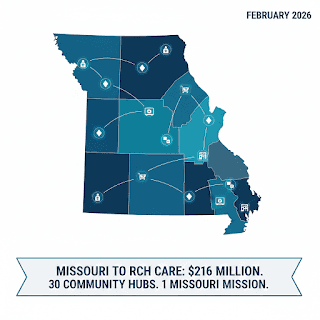
Under the leadership of Missouri Governor Mike Kehoe, the state has launched the ToRCH Care Program, backed by an initial $216 million investment.
The program focuses on:
Building 30 Community Resource Hubs across rural regions
Expanding access to coordinated, value-based care
Supporting local providers as central care participants
Rather than relying solely on hospital systems, ToRCH emphasizes:
Community-based care delivery
Preventative health strategies
Cross-provider collaboration
This model is designed to better align funding with providers actively serving rural populations.
From Service Provider to Community Health Anchor
One of the most important shifts under ToRCH is how independent providers are being positioned.
Pharmacies and DMEPOS suppliers are no longer viewed as isolated service points—they are becoming core components of the care ecosystem.
In rural communities, these providers already serve as:
First points of contact for patients
Ongoing care support systems
Trusted healthcare advisors
The ToRCH model formalizes this role by integrating them into broader care coordination networks.
What This Means for DMEPOS Providers
DMEPOS providers play a critical role in helping patients remain safe and independent at home.
Under Missouri’s rural health transformation efforts:
Home-based care solutions are being prioritized
Equipment and accessibility services are gaining recognition
Providers may see expanded opportunities to participate in coordinated care initiatives
This includes support for services such as:
Mobility and safety equipment
Home accessibility solutions
Long-term patient support systems
As value-based care expands, DMEPOS providers are positioned to contribute directly to:
Reduced hospital readmissions
Improved patient outcomes
Lower overall healthcare costs
What This Means for Independent Pharmacies
Independent pharmacies are being repositioned as central healthcare access points within rural communities.
This includes opportunities to:
Participate in care coordination efforts
Support medication adherence programs
Engage more directly in preventative care initiatives
As part of a value-based model, pharmacies may play a larger role in:
Reducing emergency room visits
Managing chronic conditions
Supporting community health outcomes
This shift reflects what many rural communities already understand—local pharmacies are often the most accessible and trusted healthcare providers available.
Value-Based Care: A Structural Shift in Reimbursement
The ToRCH initiative aligns with a broader industry movement toward value-based care models.
Instead of focusing solely on volume of services, reimbursement is increasingly tied to:
Patient outcomes
Care coordination effectiveness
Preventative health measures
For rural providers, this creates:
New revenue opportunities tied to care quality
Greater involvement in patient care planning
Increased visibility within healthcare networks
However, participation in these models requires:
Accurate credentialing
Proper enrollment with state and payer systems
Alignment with new care coordination platforms
The Role of Digital Networks Like Unite Us
A key component of the ToRCH program is the integration of digital care coordination platforms, such as Unite Us.
These platforms are designed to:
Connect healthcare providers with community resources
Streamline referrals and care coordination
Improve communication between providers
For pharmacies and DMEPOS suppliers, this creates a more direct pathway to:
Participate in statewide care initiatives
Receive referrals without traditional administrative bottlenecks
Collaborate with other healthcare providers in real time
Adoption of these systems may become essential for providers looking to fully engage with the new model.
What Providers Should Do Next
To take advantage of this shift, pharmacies and DMEPOS providers should begin preparing now.
Recommended steps include:
Reviewing current Medicare and Medicaid enrollment status
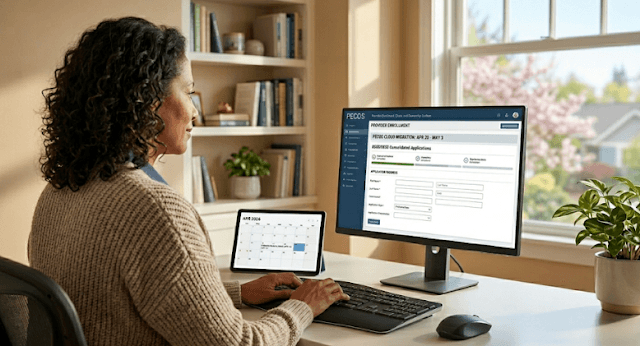
Ensuring all provider data is accurate across NPI, PECOS, and state systems
Exploring participation in care coordination platforms
Evaluating readiness for value-based care models
Aligning credentialing and contracting with emerging state initiatives
Providers who are prepared will be better positioned to participate early and benefit from new funding pathways.
A New Opportunity for Rural Providers
The $216 million ToRCH investment represents more than funding—it signals a shift in how rural healthcare is structured.
Independent pharmacies and DMEPOS providers are being recognized as:
Essential care providers
Community health anchors
Key participants in coordinated care systems
For providers who have historically operated on the margins of large healthcare systems, this is an opportunity to:
Increase influence
Expand services
Strengthen financial stability
How PACCS Helps Providers Navigate Value-Based Care & Enrollment
As healthcare models evolve, proper enrollment, credentialing, and data alignment become critical to participation.
PACCS (Pharmacy Accreditation Compliance Credentialing Solutions) helps pharmacies and DMEPOS providers prepare for and succeed in these transitions by offering:
Medicare and Medicaid enrollment support
Credentialing for commercial and managed care plans
NPI, PECOS, and state system data alignment
Ongoing compliance monitoring
Support for participation in new care models and networks
By ensuring your administrative foundation is strong, PACCS helps position your organization to take full advantage of emerging opportunities like the ToRCH program.
To learn more, visit our Services page or contact PACCS to discuss how we can support your organization.
Sources
https://uniteus.com/networks/missouri/
Investigative Dispatch — PACCS Editorial Series
Insights on regulatory developments affecting pharmacy credentialing, Medicare enrollment, and compliance.
Sterling Bly | Investigative Healthcare Blogger